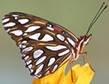
Brush-Foot Butterflies
This is a large family of butterflies whose first pair of legs is very reduced, giving them the appearance of having only four legs. They can be small, medium or large butterflies, and many species in this group migrate. Milkweed butterflies are brush-foots, including monarchs, whose caterpillars feed on milkweed to make them toxic to birds. The group includes the Admirals, who are known for the adults preferring to eat sap flows and rotting fruit, and for the males to be seen “puddling”, that is, gathering necessary minerals from unusual sites. The brush-foots also include satyrs, small butterflies who usually have eyespots on their wings; emperors, larger butterflies who tend to favor tree sap for food, fritillaries, who tend to be orange, brightly marked butterflies, and many others.
Satyrs
Butterflies |
Size of Adult |
Where found |
When seen |
Larval plants |
Interesting facts |
1-1.5 inch |
shady woodlands and adjacent areas |
Apr-Oct |
St Augustine grass, broadleaf Carpet grass, Bermuda grass |
Frequents home gardens |
|
1.25-1.7 inch |
moist woods, shady open areas |
Apr-Sept |
Bermuda grass and other grasses |
Dances along the ground; only satyr with no spots |
|
1.5-1.9 inch |
woodlands, clearings and forest margins |
May-Sept |
var. grasses, include St Augustine grass, blue grass and Orchard grass |
Adults feed on sap flows, rotting fruit and dung, don’t visit flowers |
|
1.8-2.8 |
grassy fields and meadows, open woodlands |
July-Oct |
Grasses, including bluegrass, Poverty Oatgrass |
Feed on sap flows and flowers |


Admirals
Butterflies |
Size of Adult |
Where found |
When seen |
Larval plants |
Interesting facts |
large, 3-4" |
open woodlands, adjacent gardens and fields |
Apr-Oct |
Cherry and willow |
Pipevine swallowtail mimic; feed on sap and nectar |
|
2.6-3.2 inch |
pond edges, wetlands, ditches |
Apr-Oct |
Willows |
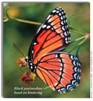
Mimics monarchs to discourage predators |

Milkweed butterflies
Butterflies |
Size of Adult |
Where found |
When seen |
Larval plants |
Interesting facts |
3.5-4.0 inch |
Open, sunny sites, fields, pastures, gardens |
Apr-Oct |
Various milkweeds |
Milkweed toxins make caterpillars and adults taste bad. |

True Brush-foots
Butterflies |
Size of Adult |
Where found |
When seen |
Larval plants |
Interesting facts |
large, 3-4" |
deciduous woods and adjacent areas |
Feb-May, Sept-Nov |
birch, willow, elm, aspen, hackberry |
Feeds mostly on sap flows and rotting fruit; adults overwinter |
|
1.6-2.0 inch |
deciduous woods, stream corridors, woodland clearings |
Mar-Oct |
Hackberry and Sugarberry |
Uncommon but very distinctive appearance |
|
1.5-2.7 inch |
Fields, pastures, gardens, woods |
Mar-Oct |
Many incl. toadflax, plantains, ruellia, frogfruit |
Abundant; males ‘puddle’, often seen on grass heads |


Emperors
Butterflies |
Size of Adult |
Where found |
When seen |
Larval plants |
Interesting facts |
2.0-2.6 inch |
rich woodlands, gardens, parks, stream corridors |
May-Oct |
Hackberry and Sugarberry |
Adults eat sap, rotting fruit |
|
2.0-2.75 inch |
rich woodlands, gardens, parks, stream corridors |
May-Oct |
Hackberry and Sugarberry |
Often flies with Hackberry emperor. Note difference in spots. |
|
1.25-1.6inch |
open, sunny areas, gardens, fields |
May-Oct |
Asters |
Very abundant, spring individuals darker than summer |
|
1.75-2.5 inch |
open disturbed sites, roadsides, fields, gardens |
Apr-Oct |
Cudweed, Pussytoes, Sweet Everlasting, others |
Very abundant, |
|
Medium 1.75-2.5' |
woodlands, moist areas, suburban gardens |
Mar-Oct |
False nettle, nettles |
Adults feed on sap flows and rotting fruit; males ‘puddle’ |
|
2.0-2.4 inch |
deciduous forest, stream corridors, adjacent areas |
Mar-Oct |
Nettles, false nettles, Elm, Hops |
Adults overwinter, hibernate in log piles, tree hollows or houses |
|
2.25-3.0 inch |
deciduous forest, stream corridors, adjacent areas |
Jan-Dec |
Sugarberry, Elm, false nettles, stinging nettles |
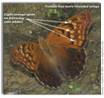
Looks like dead leaf, very hard to see |



Fritillaries
Butterflies |
Size of Adult |
Where found |
When seen |
Larval plants |
Interesting facts |
1.75-2.25 inch |
open, sunny sites, fields, roadsides, gardens |
Apr-nov |
Violets and passionflowers |
Common |
|
2.5-3.0 inch |
open disturbed sites, roadsides, parks and gardens |
Apr-Nov |
passionflowers |
Migrates south to Florida to overwinter |
|
2.9-3.8 inch |
open, sunny sites, fields, roadsides, gardens |
Apr-Nov |
Violets |
More common in the mountains |